











Mandry Technology

Managed IT & Cybersecurity · Texas

Cybersecurity for regulated Texas organizations.

Built for the AI era. Compliance for industries that cannot afford to fail.

Texas-based managed IT and cybersecurity for healthcare, banking, government, and private education, where compliance and security failures carry consequences that don't quietly resolve. SOC 2 Type II discipline, 24/7 security operations, and regulatory literacy built for AI-era threats.

High-angle view of Congress Avenue in Austin, Texas, with the Texas State Capitol visible in the distance

SOC 2 Type II

Controls operating effectively over time.

20+ yrs

Continuous Texas operation.

97%

Client retention.

24/7 SOC

Monitoring by certified experts.

Security-Driven · Compliance-First

One discipline, applied across every layer of the environment.

The same operating standard (SOC 2 Type II, 24/7 monitoring, audit-ready documentation) runs through every practice. Select one to see how it holds up under regulatory scrutiny.

Revenue-leading · Security anchor

Cybersecurity

MDR and SOC monitoring, identity and access, vulnerability management, and incident response, with explicit coverage of AI-era threats like voice cloning and generative social engineering.

  • 24/7 detection and response via Arctic Wolf partnership
  • Out-of-band verification against social engineering and wire fraud
  • Incident response on regulator-aligned notification timelines
Explore Cybersecurity
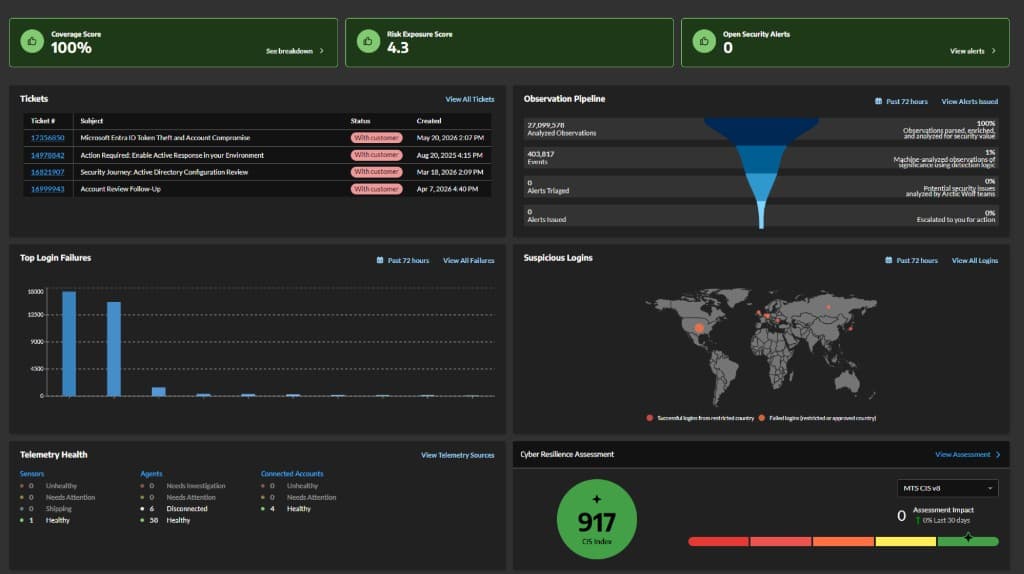
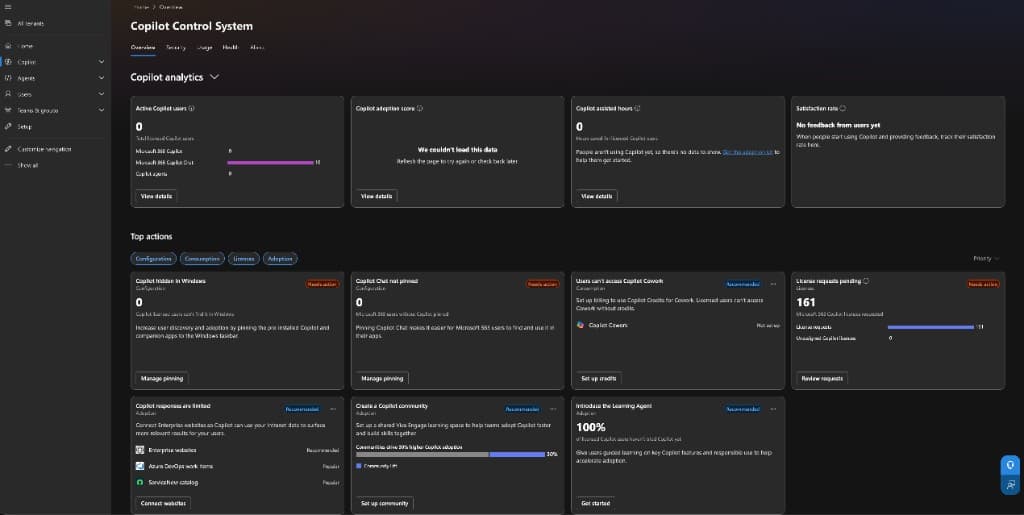
Cybersecurity dashboard showing coverage score, risk exposure, security alerts, and monitoring metrics

Industries

Built for compliance first industries who can't afford oversight or shortcuts.

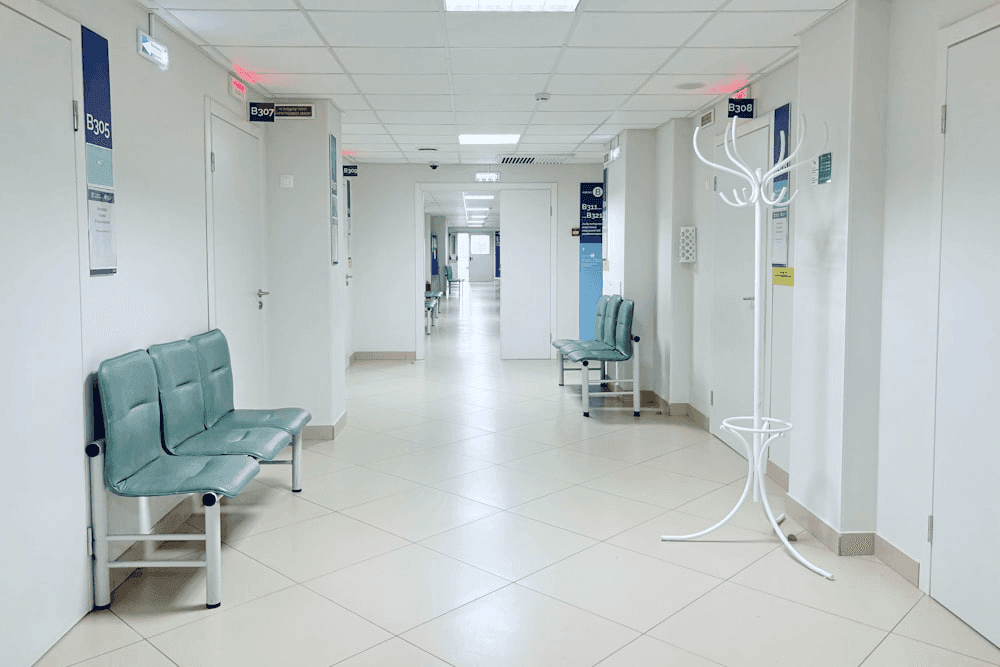
Modern hospital corridor with clinical lighting and empty gurneys, no patients visible

Healthcare

HIPAA. EHR continuity. 24/7 clinical environments.

Downtime affects patient care, and ransomware in clinical environments is now a continuity threat, not just a data one. OCR enforcement actions and a rising cyber-insurance bar have moved the standard. We build for the environment regulators and insurers actually inspect.

Modern downtown skyscrapers with glass facades in a financial district

Banking & Finance

FFIEC. GLBA Safeguards. Examination-grade IT.

Community banks and credit unions operate under FFIEC oversight while facing wire fraud that now includes AI voice cloning. There is a real gap between what examinations expect and what most regional MSPs deliver. We close it with examination-grade documentation.

Municipal city hall building with brick facade, white columns, and landscaped entrance

State & Local Government

Texas DIR. TX-RAMP. CJIS.

Texas municipalities, counties, and districts are working to meet TX-RAMP requirements while ransomware targets local government and the procurement bar keeps rising. We understand the regulatory environment, not just the technology.

Private school campus with stone buildings, green lawn, and tree-lined walkway

Private Education

FERPA. GLBA Safeguards. Small IT teams under audit pressure.

Private K-12 schools and private colleges carry FERPA obligations, and the 2023 GLBA Safeguards Rule expansion now reaches financial-aid offices. Accreditation bodies expect more on cybersecurity. We work the way small IT teams under audit pressure need.

Neutral mid-market office environment with workstations and meeting space, suggesting regulated organizations across defense, legal, nonprofit, and energy sectors

Other Industries

Full practice stack for regulated and mid-market organizations.

Adjacent regulated and mid-market organizations Mandry continues to serve day-to-day, with the same SOC 2 Type II discipline and framework-aligned documentation as the four headline verticals.

How We Work

The work, in scenarios.

Mandry doesn't publish client logos. What follows are anonymized scenarios reflecting the kind of work the team actually does. The framing is honest; the technical specifics are real.

Dimly lit corporate office with workstations overlooking a city skyline at duskBanking Scenario

What we do when a community bank's wire desk takes a call from someone speaking in the CEO's exact voice.

Voice-cloning attacks on community banks succeed the way they always have: a familiar voice, urgency in the request, a wire that nearly clears before someone gets suspicious. The work that prevents the next one begins before the call: out-of-band verification protocols built into the wire process, identity controls layered against social engineering, and a 24/7 SOC watching for the access patterns that precede these attempts. When something does get through, the response is procedural: contain, document, notify the right regulators on the right timeline, and turn the event into hardened controls before the next attempt.


Technician working in a server room with racks and network cabling on a rolling cartHealthcare Scenario

What we do when a regional hospital network discovers their backups haven't been tested in 18 months.

The discovery usually happens during an audit or a near-miss, never at a convenient time. Untested backups in a healthcare environment mean HIPAA exposure, clinical continuity risk, and a regulator-visible finding that doesn't quietly close. The work starts with a verified recovery test against a representative slice of the environment, then expands into a recovery program with documented runbooks, RTO and RPO defined by data class, and quarterly testing tied to the organization's risk register. The compliance officer ends up with evidence that holds under scrutiny. Clinical leadership ends up with a recovery posture that holds under pressure.

Government office building exterior with flagpoles and landscaped grounds at duskGovernment Scenario

What we do when a state agency under TX-RAMP must migrate workloads without losing data-class controls.

TX-RAMP certification depends on documented cloud security controls, data residency boundaries, and vendor oversight that survive migration, not just a signed contract. Mandry maps data classes before cutover, preserves access controls through hybrid architecture where required, and maintains cloud security documentation continuously. The IT director gets a migration that meets the deadline; the compliance officer gets evidence that holds up when TX-RAMP reviewers ask what changed.

Private school campus building with stone facade and tree-lined walkway at duskEducation Scenario

What we do when a private school faces a FERPA review and cannot produce a current asset inventory.

Education record access controls depend on knowing what systems exist, who can reach them, and what changed since the last review. For a school operating under FERPA, missing inventory and change documentation is both an operational risk and an examination finding. Mandry maintains continuous asset tracking, documented change management workflows, and access control evidence tied to staff roles.

Coverage

Operating from Texas.

Headquarters in Lubbock and regional service hubs across Texas, with statewide coverage for compliance-driven organizations from West Texas hospitals to DFW financial institutions.

Texas office locationsMandry Technology office map of Texas with headquarters in Lubbock and offices in Plano and San Antonio.LubbockPlanoSan Antonio
Headquarters Office

FAQ

Questions buyers ask us.

What is managed IT services?

Managed IT services is the practice of outsourcing the ongoing management, monitoring, and support of an organization's technology environment to a specialized provider. Mandry's approach is compliance-focused and security-forward, built specifically around regulated industries rather than general small-business IT, which means controls, documentation, and reporting are designed to hold up under audit.

What's the difference between an MSP and an MSSP?

A managed service provider (MSP) manages and supports an organization's IT operations. A managed security service provider (MSSP) operates security monitoring and response, typically through a 24/7 security operations center. Mandry operates as both: managed services discipline combined with a real 24/7 security operation, so security is built into the IT rather than bolted onto it.

What is a managed IT services company?

A managed IT services company, sometimes called an MSP, takes day-to-day operating responsibility for an organization's IT environment under a recurring service relationship. The scope typically includes help desk, endpoint and network management, cloud services, cybersecurity, and strategic technology advisory. Mandry operates all five practices under one operating discipline rather than referring clients to third parties.

What industries does Mandry specialize in?

Healthcare, banking and finance, state and local government in Texas, and private education. The four-vertical focus concentrates regulatory literacy where it matters most. Adjacent industries Mandry continues to serve are addressed on the Other Industries page.

How does Mandry approach pricing?

Pricing is custom to the environment, with no published rates and an assessment-first engagement model. Every compliance environment differs in size, regulatory scope, and risk profile, and a one-size-fits-all rate would signal a one-size-fits-all service. Engagements begin with an assessment so that scope and pricing reflect the environment as it actually is.

Does Mandry serve organizations outside Texas?

Mandry is headquartered in Lubbock with North Texas and South Texas service hubs in Plano and San Antonio. Texas is the primary service area. The firm also serves organizations in adjacent states and works with multi-state operators, particularly private equity portfolios, hospital networks, and regional bank holding companies with locations across the South and Southwest.

Choosing a managed IT services company is itself a compliance-visible decision.

The right time to evaluate one is before the audit, before the breach, before the regulator's letter arrives.

What brings you here?

CallRequest an assessment